


Vernay Fluid Control Solutions Catalog
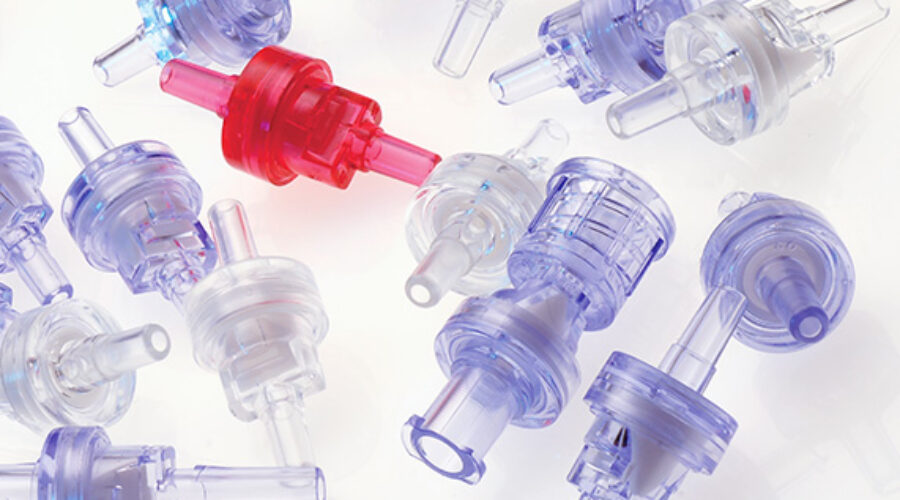
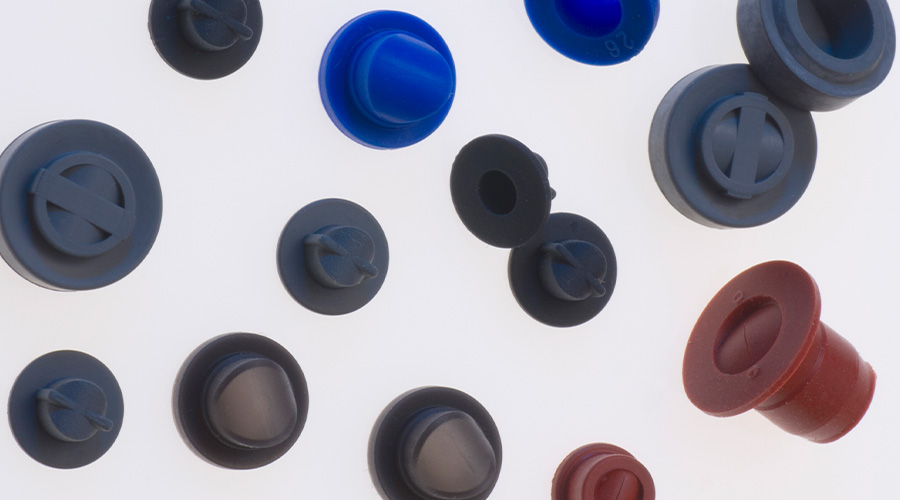
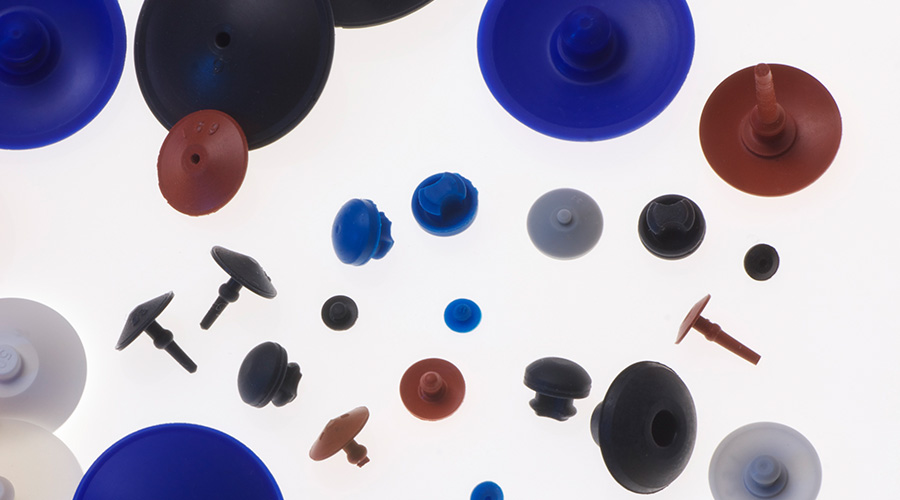
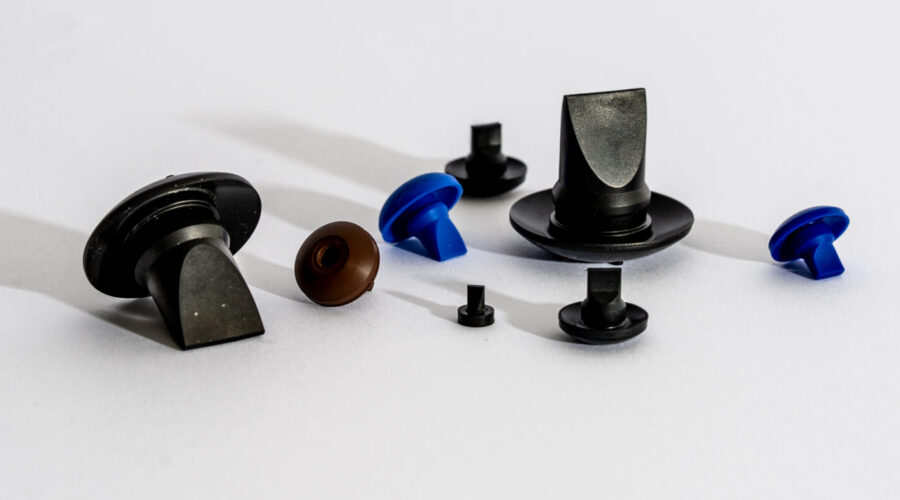
Explore our wide array of Vernay fluid control solutions, designed to meet the diverse needs of various markets. Our innovative products serve the automotive, medical, printer, small engine, and specialty sectors with reliability and precision. Discover how our tailored solutions can support your specific application requirements.



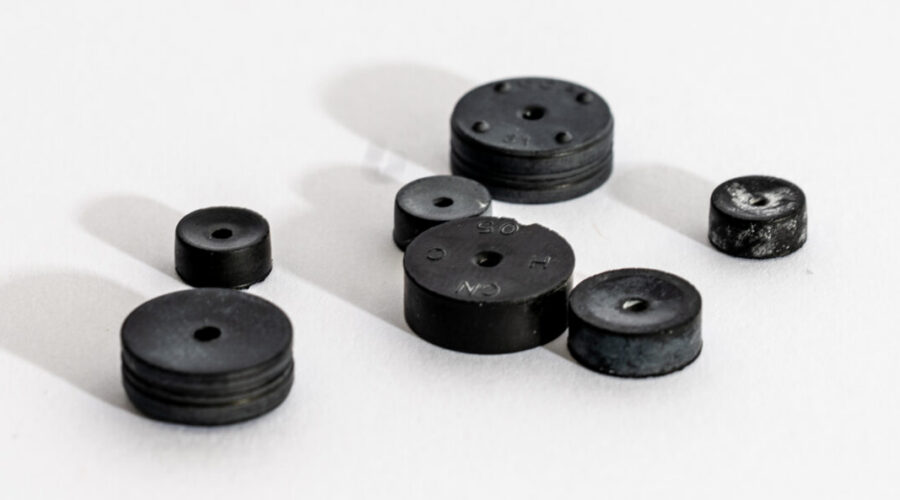

Custom solutions
Explore our streamlined process for design and development for your unique needs.
Need Help?
If you have any questions, need design assistance or don’t find exactly what you need, speak with our expert design engineers to discover the options available beyond the catalogue. Small lot quantities and samples are available on-line or by contacting Vernay.
Kickstart Your Product Development
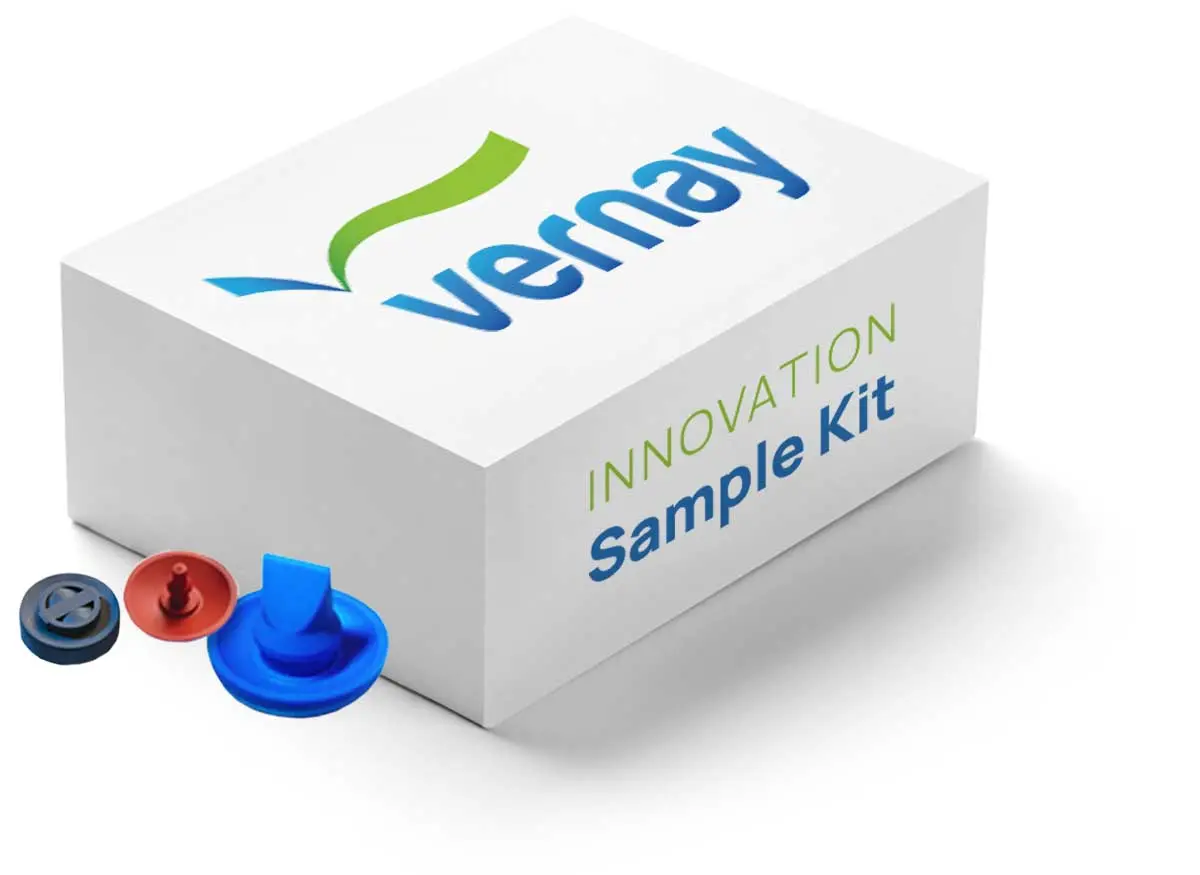
A carefully curated selection of samples to kickstart your product development, delivered free of charge. No purchase orders or payment required. Make something great.
Stay Innovative
Technologies and applications are always expanding. Join our mailing list to stay up to date.